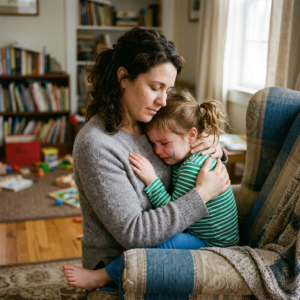


Communication With Children: Building Trust Through Everyday Conversations
Communication with children is one of the most powerful tools a parent or caregiver has. It shapes how children understand themselves, how they express emotions, and how they build relationships with others. More than discipline strategies or routines, the way adults talk with children influences their confidence, behavior, and sense of safety.
Children are constantly trying to make sense of the world, and communication is how they process it. They watch tone, body language, and reactions just as much as they listen to words. When adults communicate with patience and intention, children feel seen and understood. When communication feels rushed or dismissive, they often shut down or act out instead.
Strong communication begins with presence. Children can tell when someone is truly listening versus simply responding. Slowing down, making eye contact, and giving full attention—even for a few minutes—signals that their thoughts and feelings matter. That sense of being heard builds trust over time.
Language also plays a critical role in emotional development. When children are encouraged to describe what they feel and why, they begin to understand their own emotions more clearly. Instead of reacting impulsively, they learn to express themselves with words. This process helps them develop emotional awareness and self-control.
The tone adults use matters as much as the message itself. Children respond best to calm, clear communication rather than raised voices or frustration. When guidance is delivered with patience, it becomes easier for children to absorb and understand. Communication rooted in respect teaches children to respond with respect in return.
Consistency strengthens communication. When expectations, responses, and boundaries are communicated in predictable ways, children feel secure. They begin to understand what is expected of them and how to navigate different situations. Mixed messages can create confusion, while steady communication builds confidence.
Open communication also means creating space for questions. Children are naturally curious, and their questions are often how they seek reassurance or understanding. Encouraging those conversations—even when they feel inconvenient—shows children that their thoughts are welcome. It also helps adults stay connected to what their children are experiencing and thinking about.
As children grow, communication evolves. Younger children may need more guidance and simple explanations, while older children often need space to share opinions and perspectives. Listening becomes just as important as speaking. When children feel their voice matters, they are more likely to come forward during challenging moments.
Conflict and misbehavior are also opportunities for communication. Instead of focusing only on correction, conversations can explore what happened, how the child felt, and what they can learn moving forward. This approach teaches accountability without damaging connection.
Technology and busy schedules can sometimes interfere with communication. Quick check-ins replace deeper conversations, and distractions reduce meaningful interaction. Being intentional about daily moments—during meals, car rides, or bedtime—helps maintain a strong connection. These small windows often lead to the most honest and open discussions.
Perhaps the most important part of communicating with children is modeling it. Children learn how to communicate by watching adults. When they see calm problem-solving, respectful disagreement, and thoughtful listening, they absorb those behaviors naturally. Over time, they begin to communicate in the same way.
Effective communication doesn’t require perfect words or constant conversations. It grows through consistency, patience, and genuine connection. When children know they can speak openly without fear of dismissal or judgment, they feel safe. That safety becomes the foundation for trust, learning, and emotional strength.
In the end, communication with children is less about talking and more about connecting. It’s about creating an environment where thoughts are welcomed, feelings are acknowledged, and relationships are strengthened through understanding. Those daily conversations—simple and steady—shape how children carry themselves and how they relate to the world around them for years to come.