

Children and Cognitive Growth: How Young Minds Learn, Think, and Understand the World
Cognitive growth in children is one of the most fascinating parts of development because it shapes how they think, solve problems, communicate, and understand the world around them. It’s not just about learning facts or doing well in school. It’s about how their brains build connections through everyday experiences, interactions, and curiosity.
From the moment a child is born, their brain is actively forming pathways. Every sound, movement, conversation, and experience contributes to how they process information. Cognitive development happens gradually, layered through repetition, exploration, and emotional connection.
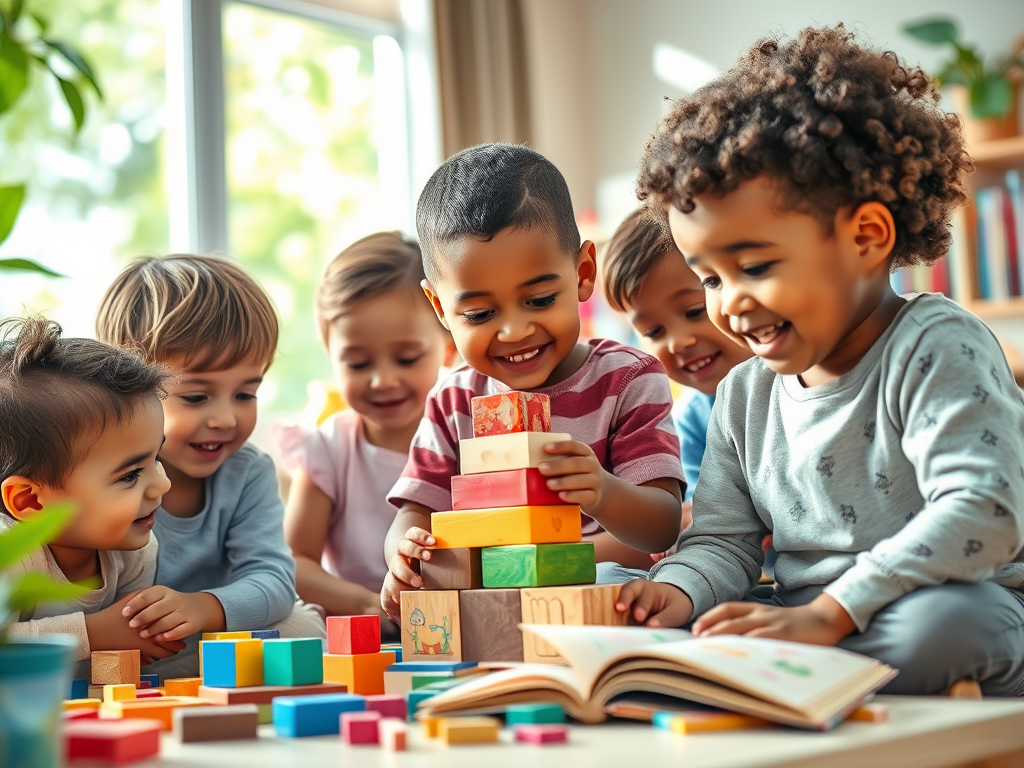
Young children learn best through interaction. When they ask questions, experiment, or even make mistakes, their brains are working to make sense of patterns and outcomes. Simple activities like stacking blocks, listening to stories, or playing pretend are not just play—they are exercises in memory, problem-solving, and imagination. These early experiences build the foundation for attention, reasoning, and learning later in life.
Language plays a powerful role in cognitive growth. Conversations help children connect ideas, expand vocabulary, and understand relationships between thoughts and actions. When adults talk with children—not just to them—it strengthens comprehension and critical thinking. Asking open-ended questions, listening to their explanations, and encouraging curiosity all support brain development in meaningful ways.
Environment also shapes how cognitive skills develop. Children thrive when they are exposed to safe, stimulating surroundings that encourage exploration. Opportunities to touch, move, observe, and interact help them understand cause and effect. Whether it’s exploring nature, building with hands-on materials, or engaging in creative play, these experiences encourage deeper thinking and adaptability.
Emotional security is closely tied to cognitive growth. Children who feel safe and supported are more willing to try, fail, and try again. Confidence and curiosity grow together. When a child knows they are encouraged rather than judged, they become more open to learning and problem-solving. Emotional stability allows the brain to focus on discovery instead of stress.
Cognitive development doesn’t happen in a straight line. There are bursts of growth, periods of repetition, and moments where learning seems to slow down before suddenly accelerating again. These phases are normal and reflect how the brain organizes information over time. Patience and consistency from caregivers help children move through these stages with confidence.
Technology and modern learning tools can support cognitive growth when used thoughtfully, but they don’t replace real-world interaction. Hands-on experiences, conversations, and unstructured play remain essential. These moments challenge children to think creatively and independently in ways screens often cannot replicate.
As children grow, cognitive skills expand into reasoning, planning, and decision-making. They begin to understand perspectives, anticipate outcomes, and connect ideas across different situations. The foundation built in early childhood continues to influence how they approach learning, relationships, and challenges throughout life.
Supporting cognitive growth doesn’t require special programs or complex strategies. It comes from being present, engaged, and responsive. Reading together, exploring new environments, encouraging questions, and allowing space for imagination all contribute to stronger thinking skills.
Children are naturally wired to learn. Their curiosity drives them to ask, explore, and experiment constantly. When families and caregivers nurture that curiosity, they help build not only knowledge but confidence and independence. Over time, those small daily interactions shape how children understand themselves and the world around them.
Cognitive growth is not about pushing children to learn faster—it’s about giving them the space, support, and opportunities to think deeply. With encouragement, patience, and meaningful experiences, children develop the skills they need to navigate life, adapt to change, and continue learning long after childhood.