
We work hard because we love our families.
We build careers.
We grow businesses.
We save money.
We buy homes.
We plan vacations.
We try to create opportunities for the people we love.
Most of it comes from a good place.
We want our children to have more opportunities than we had. We want our spouses to feel secure. We want to build a life our families can enjoy.
But somewhere along the way, it’s possible to become so busy providing a good life for the people we love that we forget to actually live it with them.
That’s one of the great contradictions of modern life.
We sacrifice our time to provide things for our families when what they may want most is simply more of our time.
Presence Has Become Rare
Think about the last family dinner you attended.
How many phones were on the table?
How many notifications interrupted the conversation?
How many times did someone glance at a screen while another person was talking?
We live in an age of constant connection, yet genuine attention has become surprisingly rare.
Being physically present isn’t always the same as being emotionally present.
You can sit beside someone while your mind is somewhere else.
You can attend your child’s game while answering emails.
You can go on vacation while constantly checking work.
You can eat dinner with your spouse while scrolling through your phone.
The people we love can usually tell the difference.
Children Remember Different Things Than Adults
Parents often worry about giving their children enough.
The right clothes.
The latest electronics.
Great vacations.
A beautiful home.
Those things can certainly create wonderful experiences.
But ask adults about their favorite childhood memories and you’ll often hear surprisingly simple answers.
Fishing with Dad.
Cooking with Mom.
Playing basketball in the driveway.
Family movie nights.
Driving somewhere together.
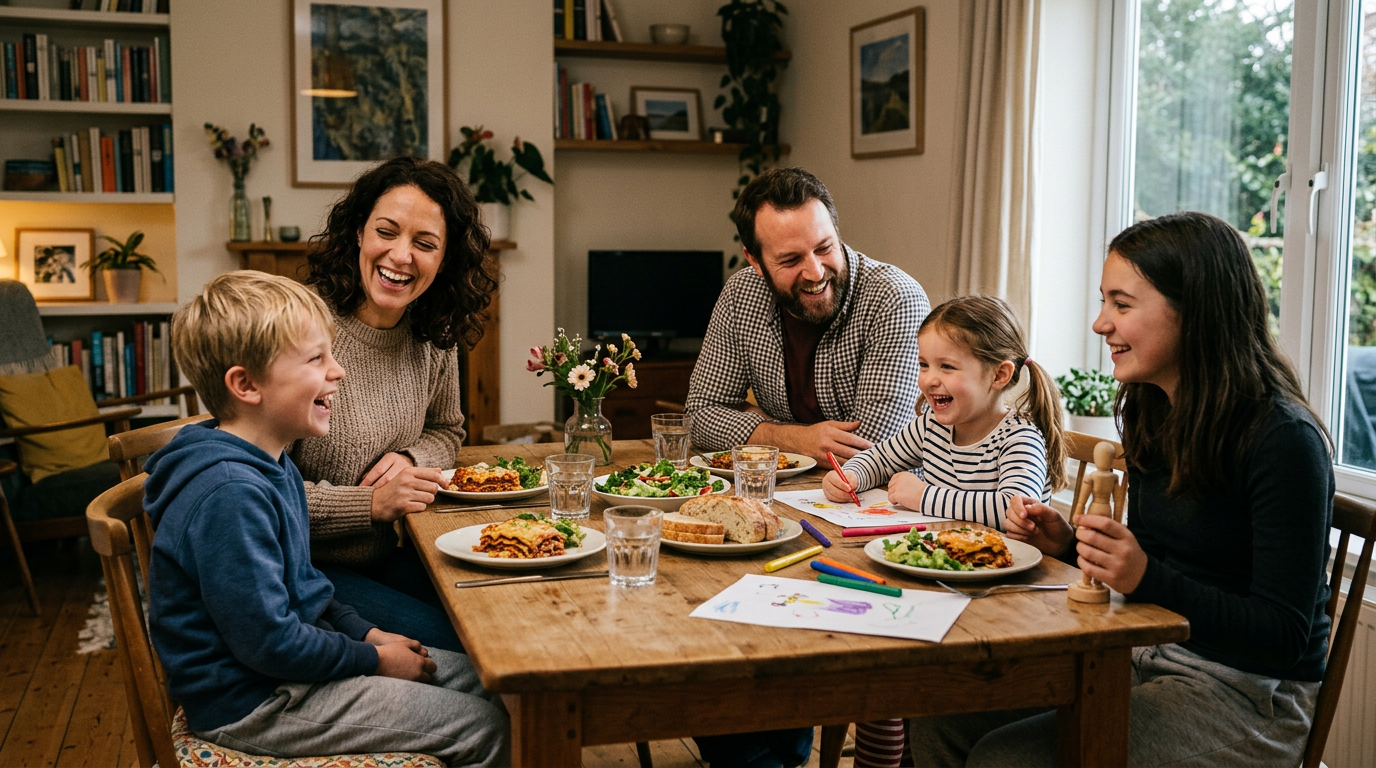
Sitting around the dinner table laughing.
The moments that stay with us aren’t always the expensive ones.
They’re often the moments when someone we loved gave us their complete attention.
Attention Says, “You Matter”
There is something powerful about being truly listened to.
When someone puts their phone down, looks you in the eye, and genuinely listens, they’re communicating something without saying a word:
You matter to me.
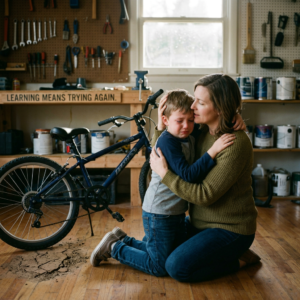
That’s especially important with children.
A story about something that happened at school may seem insignificant to an adult.
To the child telling it, however, it might be the most important thing that happened all day.
When we repeatedly stop what we’re doing and listen, we teach them something valuable.
We teach them that their thoughts matter.
Their feelings matter.
Their experiences matter.
And most importantly, they matter.
Relationships Are Built in Ordinary Moments
Strong relationships aren’t created during one incredible vacation.
They’re built through thousands of ordinary interactions.
Good morning.
How was your day?
Tell me more.
I’m proud of you.
I’m sorry.
I love you.
Let’s go for a walk.
Want to grab lunch?
Those little moments don’t seem significant when they’re happening.
But repeated over years, they become the foundation of a relationship.
It’s similar to investing.
One small deposit doesn’t create wealth.
But consistent deposits compounded over decades can create something extraordinary.
Relationships compound too.
Every conversation is a deposit.
Every act of kindness is a deposit.
Every time you show up when someone needs you, you make another deposit.
And over a lifetime, those deposits become trust.
Don’t Give Your Family What’s Left Over
This is where many of us get things backward.
Work gets our best energy.
Customers get our patience.
Employees get our attention.
Our phones get hours of our focus.
And sometimes our families receive whatever remains at the end of the day.
But the people who matter most shouldn’t always receive what’s left over.
They deserve some of our best.
That doesn’t mean abandoning responsibilities.
Providing for a family matters.
Building a career matters.
Pursuing goals matters.
But success should enhance our lives—not consume them.
Create Moments Intentionally
Family memories don’t always happen automatically.
Sometimes you have to create them.
Schedule the dinner.
Plan the weekend.
Take the trip.
Go fishing.
Attend the game.
Take your spouse to dinner.
Call your parents.
Visit your grandparents.
Put the phone away.
Say yes when your child asks you to do something together.
You won’t always feel like you have time.
Make time anyway.
Because calendars have an interesting habit.
If we don’t intentionally fill them with what’s important, they’ll quickly become filled with what’s urgent.
And urgent and important are not always the same thing.
One Day the House Gets Quiet
Parents of older children understand something parents of young children sometimes struggle to imagine.
Eventually, the house changes.
The toys disappear.
The backpacks stop piling up by the door.
The rides to practice end.
Bedrooms become empty.
Children build lives of their own.
The years that once seemed exhausting suddenly feel incredibly short.
That’s why today’s ordinary moments matter so much.
There will come a day when you would gladly trade almost anything for one more chaotic family dinner, one more drive to practice, or one more Saturday morning when everyone was under the same roof.
Don’t wait until those moments become memories to appreciate them.
Give Them What They Really Want
Work hard.
Build something meaningful.
Provide opportunities.
Create financial security.
Take wonderful vacations.
Give your family everything you’re capable of giving them.
But don’t forget the one gift that can’t be purchased later.
Your time.
Because years from now, the people you love probably won’t remember everything you bought them.
They’ll remember whether you showed up.
They’ll remember whether you listened.
They’ll remember the laughter.
They’ll remember the traditions.
They’ll remember the ordinary days.
And they’ll remember how they felt when they were with you.
Your presence may be the greatest present you ever give them.
🌱 The Daily Vine
💬 Today’s Thought
“The people you love don’t need a perfect version of you. They need a present version of you.”
📚 Book Recommendation
The 5 Love Languages by Gary Chapman
A widely known relationship book built around the idea that people can express and receive affection differently. It can be a useful conversation starter for couples interested in becoming more intentional about how they show appreciation.
🎯 Today’s Challenge
Create one completely phone-free hour with someone you love today.
No email.
No social media.
No distractions.
Just be there.
💰 Money Minute
Don’t confuse providing financially with providing emotionally. Building financial security is valuable, but some of life’s richest experiences cost almost nothing.
❤️ Relationship Reminder
When someone you love starts telling you a story today, resist the temptation to immediately give advice.
Listen first.
🙏 Gratitude Prompt
If you could freeze one ordinary moment from your current life and experience it again twenty years from now, what would it be?
🌿 Grow Today
Before bed tonight, tell one person specifically why you’re grateful they’re part of your life.
🌿 The Relationship Question
If the people closest to you judged how important they are solely by the amount of undistracted time you give them, what would they believe?
Why is being present important in relationships?
Being present communicates attention, interest, and emotional availability. Consistent undistracted time can help strengthen communication and connection.
How can I be more present with my family?
Start with simple boundaries such as phone-free meals, dedicated family time, listening without multitasking, and scheduling activities together.
Does quality time have to involve special activities?
No. Ordinary activities such as eating dinner, taking a walk, driving together, or talking before bed can become meaningful opportunities for connection.
How can busy parents make more time for their children?
Rather than waiting for large blocks of free time, protect smaller periods of undistracted attention and make them consistent. Even short daily rituals can become meaningful family traditions.