

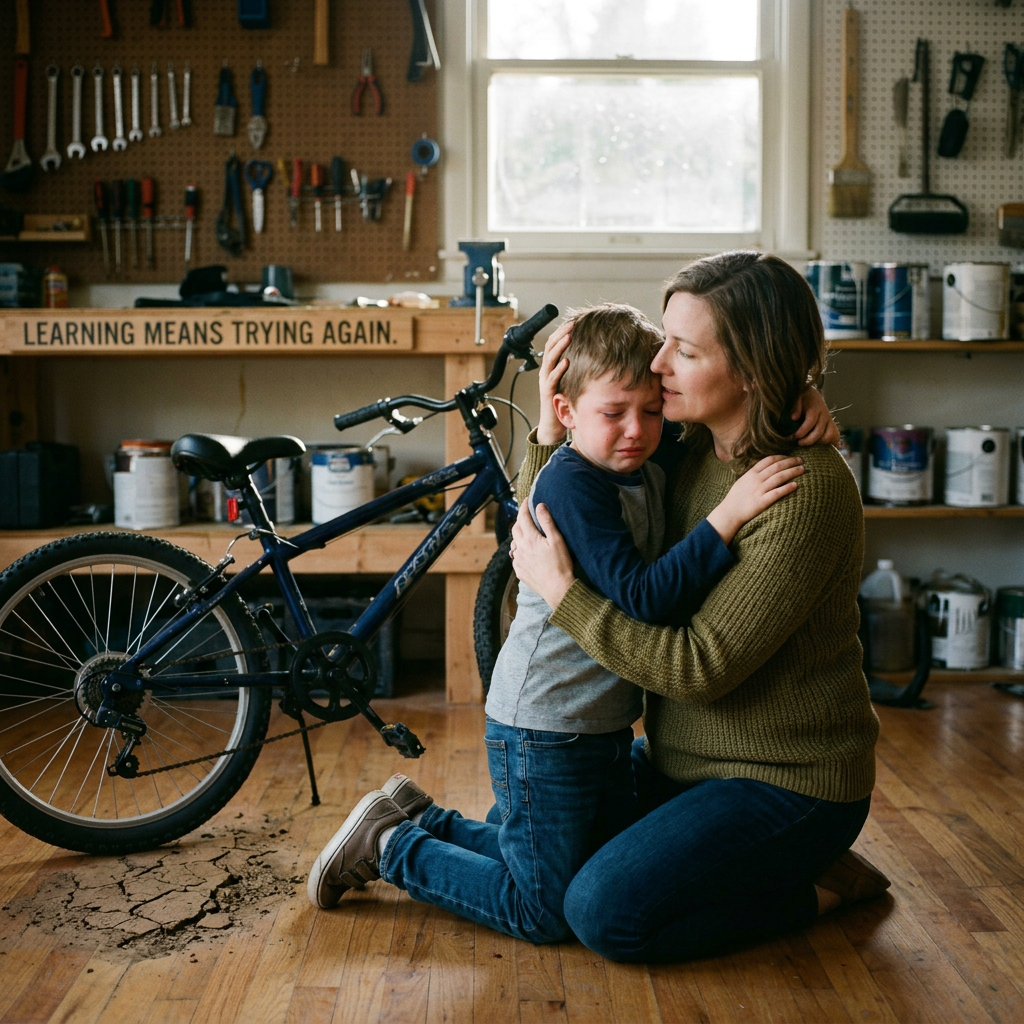
Every parent wants to protect their child from disappointment, failure, and heartache. It’s a natural instinct. When our children struggle, we want to step in and make things better.
But one of the greatest gifts we can give our children isn’t protection from every challenge—it’s the ability to overcome them.
Resilience is the ability to bounce back from setbacks, adapt to change, and keep moving forward despite difficulties. In today’s world, resilience may be one of the most important life skills a child can develop.
Why Resilience Matters
Life is full of challenges.
Children experience disappointments just like adults do. They may not make the team they wanted to join. They may struggle with a difficult subject in school. Friendships may change. Plans may not work out.
Resilient children learn that setbacks are not permanent and that challenges are opportunities to grow.
Research consistently shows that resilient children are more likely to develop healthy coping skills, stronger relationships, greater confidence, and long-term success both academically and personally.
Let Them Struggle a Little
One of the hardest parts of parenting is watching our children struggle.
While it’s tempting to solve every problem for them, children develop resilience when they are allowed to face age-appropriate challenges on their own.
This doesn’t mean abandoning them. It means supporting them while allowing them to work through difficulties.
Instead of immediately providing answers, try asking:
- What do you think you should do?
- How can we solve this together?
- What have you tried already?
- What did you learn from this experience?
These conversations help children build confidence in their own abilities.
Praise Effort More Than Results
Children who believe success comes only from being naturally talented may give up when things become difficult.
Instead, focus on effort, persistence, and growth.
Try saying:
- “I’m proud of how hard you worked.”
- “You didn’t give up.”
- “Look how much you’ve improved.”
- “You kept trying even when it was difficult.”
When children understand that effort leads to growth, they become more willing to embrace challenges.
Model Resilience Yourself
Children learn far more from what we do than what we say.
When things don’t go according to plan, let your children see healthy responses.
Instead of becoming overwhelmed by setbacks, demonstrate problem-solving, adaptability, and perseverance.
You might say:
- “That didn’t work out the way I hoped, but I’ll try another approach.”
- “This is disappointing, but we’ll figure it out.”
- “Mistakes help us learn.”
These everyday examples teach children that challenges are a normal part of life.
Teach Emotional Awareness
Resilience isn’t about pretending everything is okay.
It’s about recognizing emotions and learning how to manage them.
Help children identify their feelings by naming them:
- Frustrated
- Disappointed
- Nervous
- Angry
- Sad
- Excited
When children understand their emotions, they’re better equipped to regulate them.
A simple phrase like, “It’s okay to feel upset. Let’s talk about it,” can make a tremendous difference.
Encourage Problem-Solving
Rather than immediately fixing every issue, involve your child in finding solutions.
For example:
If a toy breaks, ask how it might be repaired.
If they forget homework, discuss how they can remember next time.
If they have a disagreement with a friend, brainstorm possible ways to resolve it.
Problem-solving builds independence and confidence.
Building Strength for the Future
The goal isn’t to eliminate every obstacle from our children’s path. The goal is to help them develop the strength to overcome obstacles when they appear.
Resilient children grow into resilient adults—people who can handle adversity, adapt to change, and continue moving forward even when life becomes difficult.
As parents, we won’t always be able to protect our children from every challenge. But we can equip them with the tools, confidence, and mindset they need to face those challenges successfully.
And that may be one of the most valuable lessons we ever teach.