SproutVine Growing Together
Why Teaching Kids Responsibility Early Changes Everything
Every parent wants their child to grow up confident, capable, and ready for the real world. One of the most powerful ways to build those qualities is surprisingly simple: teaching responsibility early.
Responsibility doesn’t just mean chores or rules. It means helping children understand that their actions matter, their contributions are valuable, and they have the ability to take ownership of their choices.
When children learn responsibility at a young age, they develop habits that shape their entire lives.
Responsibility Builds Confidence
Children feel proud when they accomplish something on their own.
Whether it’s putting away toys, feeding a pet, or helping set the table, small tasks teach kids that they are capable. These early successes create a sense of independence and confidence.
Instead of always relying on adults to solve problems, responsible children learn to take initiative.
Small Tasks, Big Lessons
Responsibility doesn’t need to be complicated.
Simple activities can teach powerful lessons:
- Cleaning up after playtime
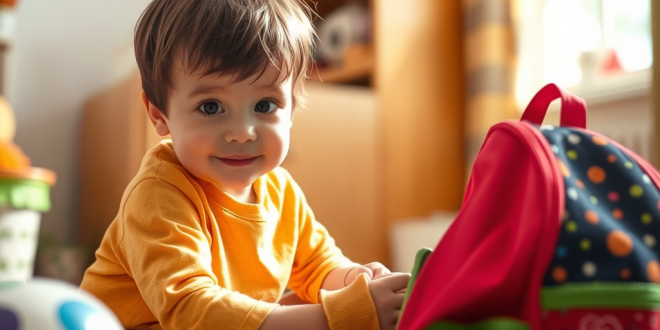
- Helping pack their school bag
- Taking care of a family pet
- Putting laundry in the hamper
- Assisting with small household chores
These daily habits teach consistency and accountability.
Responsibility Teaches Problem Solving
When children are trusted with tasks, they also learn how to handle mistakes.
Maybe they forget to put their homework in their backpack or spill something while helping in the kitchen. These moments are opportunities to learn rather than reasons for punishment.
Children begin to understand that mistakes are part of learning — and that they can fix them.
It Prepares Kids for the Real World
The real world requires responsibility. Jobs, relationships, finances, and personal goals all depend on the ability to follow through.
Children who grow up with responsibility often become adults who are reliable, organized, and self-motivated.
Those habits begin much earlier than many people realize.
Parents Set the Tone
Children often mirror what they see.
When parents show responsibility in their own lives — keeping promises, following through on commitments, and handling challenges calmly — kids absorb those patterns.
Responsibility becomes part of family culture.
Final Thought
Teaching responsibility isn’t about making childhood harder.
It’s about helping children grow stronger.
When kids are trusted with meaningful roles in the home, they feel valued and capable. Those feelings become the foundation for confidence, independence, and resilience.
And it all starts with simple everyday moments.