


Financial scams aren’t new—but they are getting smarter, faster, and far more convincing.
What used to be obvious spam emails or poorly written messages has evolved into highly targeted, believable attacks that can fool even the most cautious individuals. In today’s digital world, protecting your finances requires more awareness than ever before.
The New Face of Scams
Scammers no longer rely on generic messages. Today’s scams often look like they come from:
- Banks or credit card companies
- Government agencies
- Delivery services
- Even people you know
With the rise of AI and data leaks, scammers can personalize messages using your name, location, or even recent activity—making them incredibly difficult to spot.
Common Financial Scams to Watch For
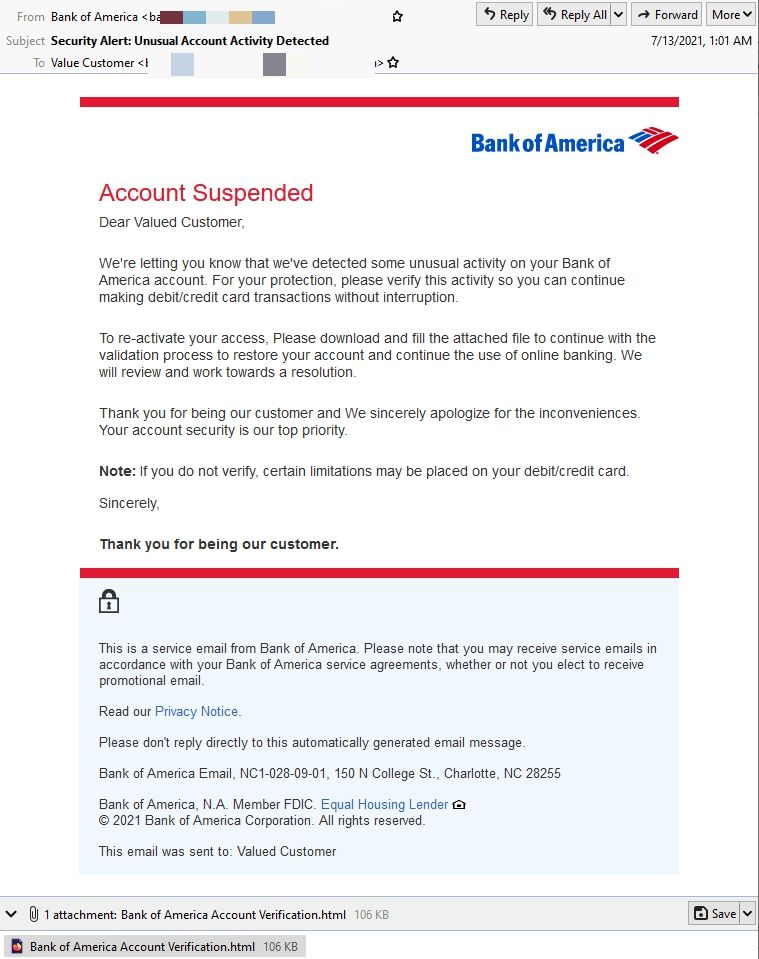



1. Phishing Emails & Texts
These messages try to trick you into clicking a link or entering personal information. They often create urgency like:
- “Your account has been locked”
- “Suspicious activity detected”
- “Package delivery failed”
2. Impersonation Scams
Scammers pretend to be someone you trust—your bank, a government official, or even a family member—asking for money or sensitive information.
3. Fake Online Stores
You see a deal that looks too good to be true—and it usually is. These sites take your payment information but never deliver the product.
4. Investment Scams
Promises of “guaranteed returns” or insider opportunities are major red flags. Many scams now involve cryptocurrency or trendy investments.
5. Tech Support Scams
You receive a call or pop-up claiming your computer is compromised, and you’re asked to pay for a “fix.”
Why People Fall for Scams
It’s easy to think, “That would never happen to me.”
But scammers are experts in psychology. They rely on:
- Urgency (act now or lose access)
- Fear (fraud alerts, legal threats)
- Trust (posing as known companies or people)
- Opportunity (limited-time deals or investments)
Even smart, careful people can get caught off guard.
How to Protect Yourself


1. Slow Down
Scammers want you to act quickly. Take a moment to think before clicking or responding.
2. Verify Everything
If you receive a suspicious message, contact the company directly using official contact information—not the one provided in the message.
3. Never Share Sensitive Information
Banks and legitimate companies will never ask for passwords, full Social Security numbers, or verification codes via email or text.
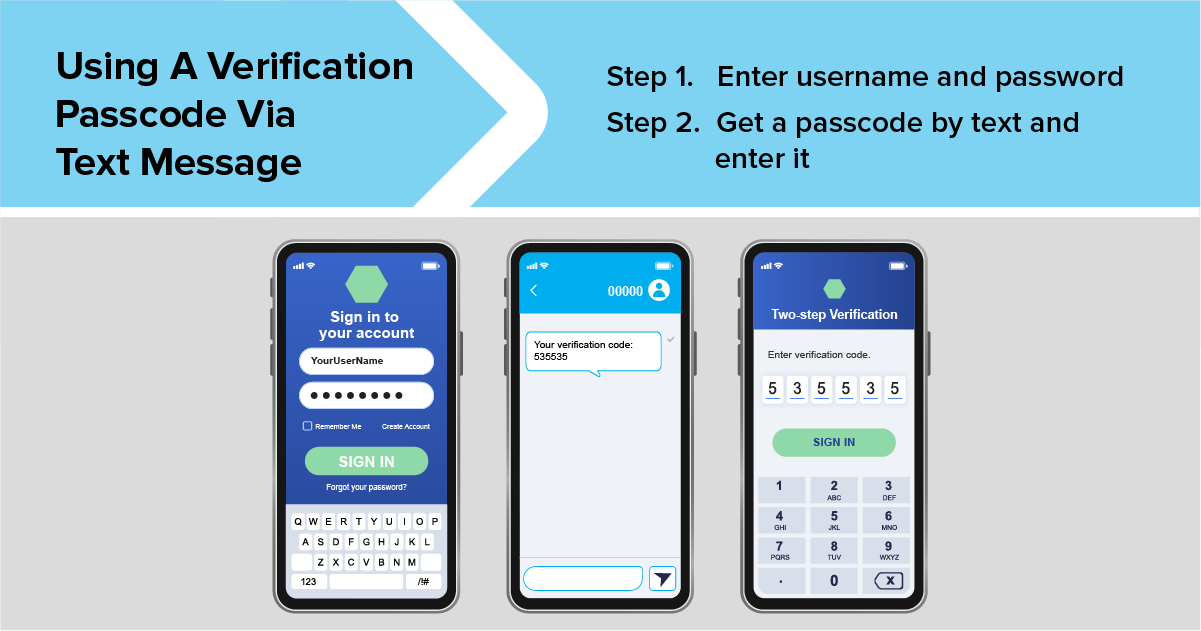
4. Use Two-Factor Authentication
Adding an extra layer of security can prevent unauthorized access—even if your password is compromised.
5. Monitor Your Accounts
Regularly check your bank and credit accounts for unusual activity.
What to Do If You’ve Been Targeted
If you think you’ve encountered a scam:
- Do not engage further
- Do not click links or download attachments
- Report the scam to your bank or credit card company
- Change your passwords immediately
- Monitor your accounts closely
If you’ve already provided financial information, act quickly—timing can make a big difference in minimizing damage.
Final Thought
Financial scams are no longer just a nuisance—they’re a serious and growing threat.
The best defense isn’t just technology—it’s awareness.
By staying informed, cautious, and proactive, you can protect not only your money, but your peace of mind.
Because in today’s world, the question isn’t if you’ll encounter a scam—it’s whether you’ll recognize it in time.