

Today’s Politics: Why Division Is Loud — and Local Leadership Is Rising
Politics in 2026 feels intense.
Headlines move fast. Social media amplifies conflict. National conversations often feel polarized, emotional, and exhausting. For many Americans, political news is no longer background noise — it’s personal, immediate, and constant.
But beneath the volume of national debates, something quieter is happening.
Local engagement is rising.
The National Stage: Speed and Sensitivity
Modern political cycles operate at a different speed than even a decade ago. News spreads instantly. Reactions follow within minutes. Public opinion shifts in real time.
Key themes dominating national conversations include:
- Economic stability and inflation pressures
- Border and immigration policy
- Healthcare access and affordability
- Education standards and parental rights
- Energy independence and environmental policy
- National security and global relations
These issues affect daily life, which is why discussions feel urgent.
However, the digital age has made politics performative. Outrage travels faster than nuance. Strong opinions generate clicks. Calm discussion often does not.
This creates the perception that division is the dominant force.
But that’s only part of the story.
The Rise of Local Politics
Across the country, more citizens are paying attention to:
- School board elections
- City council decisions
- Local tax initiatives
- Zoning laws
- Public safety measures
Why?
Because local policy affects daily routines more directly than national headlines.
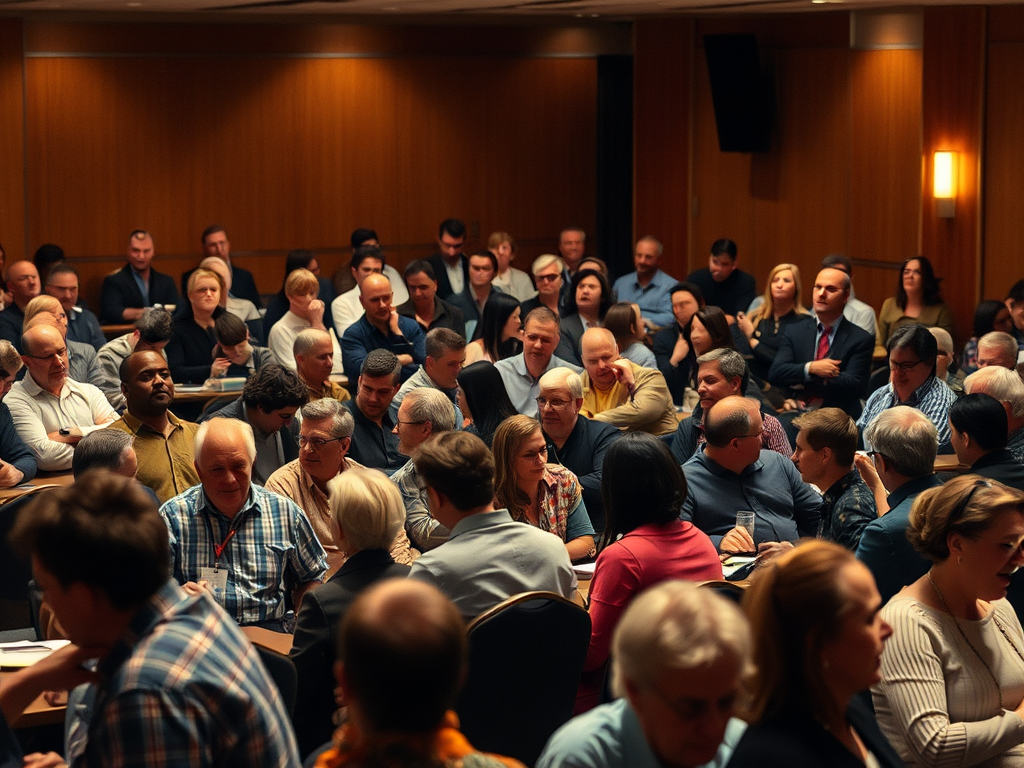
Parents are showing up at school board meetings. Business owners are engaging in local economic discussions. Community groups are organizing around infrastructure and development.
People are realizing that while national politics shapes the big picture, local politics shapes everyday life.
Independent Voters and Issue-Based Thinking
Another noticeable shift: voters increasingly identify less with party labels and more with specific issues.
Instead of strict party loyalty, many citizens are evaluating:
- Who aligns with their economic priorities
- Who supports their educational values
- Who represents their local community interests
This issue-first approach is changing campaign strategies and voter outreach.
The Role of Civility
Despite online intensity, most Americans still value stability, opportunity, and fairness.
Many communities are emphasizing:
- Civil discourse
- Fact-based discussions
- Respectful disagreement
There is growing awareness that sustainable solutions require cooperation, even when compromise is difficult.
What This Means for Citizens
Whether someone follows politics closely or casually, today’s environment calls for:
- Media literacy
- Thoughtful engagement
- Understanding multiple perspectives
- Participation at the local level
Civic responsibility is not limited to election years. It includes informed conversation, community involvement, and consistent participation.
Final Thought
Politics today may feel louder than ever.
But beneath the noise, the fundamentals remain the same: citizens shaping their communities through participation, debate, and decision-making.
The future of the country isn’t decided only in Washington.
It’s shaped in neighborhoods, schools, small businesses, and town halls — one decision at a time.
And while division makes headlines, everyday civic engagement continues quietly in communities across the nation.