
Raising Resilient Kids in a Comfortable World
Children today are growing up in one of the most convenient eras in history. Groceries arrive at the door. Answers are found instantly. Entertainment is on demand. Problems are often solved with a tap.
Comfort isn’t a bad thing.
But resilience doesn’t grow in comfort alone.
In 2026, many parents are asking an important question:
How do we raise strong, adaptable kids in a world designed to remove friction?
The answer isn’t making life harder for the sake of it. It’s allowing healthy struggle.
Why Resilience Matters More Than Ever
Resilience is the ability to:
- Handle disappointment
- Recover from failure
- Adapt to change
- Persist through difficulty
These skills determine long-term success more than raw talent.
Life will eventually introduce challenges — academic pressure, friendship struggles, career setbacks. Children who learn to navigate smaller frustrations early are better prepared for bigger ones later.
The Problem With Over-Protection
It’s natural to want to protect your child from discomfort.
But when parents:
- Solve every conflict
- Step in at every sign of frustration
- Remove all obstacles
Children miss opportunities to develop problem-solving muscles.
Instead of asking, “How do I fix this for them?”
Try asking, “How can I support them while they figure this out?”
Support without rescue builds confidence.
Let Them Try (Even If It’s Messy)
Resilience grows in moments like:
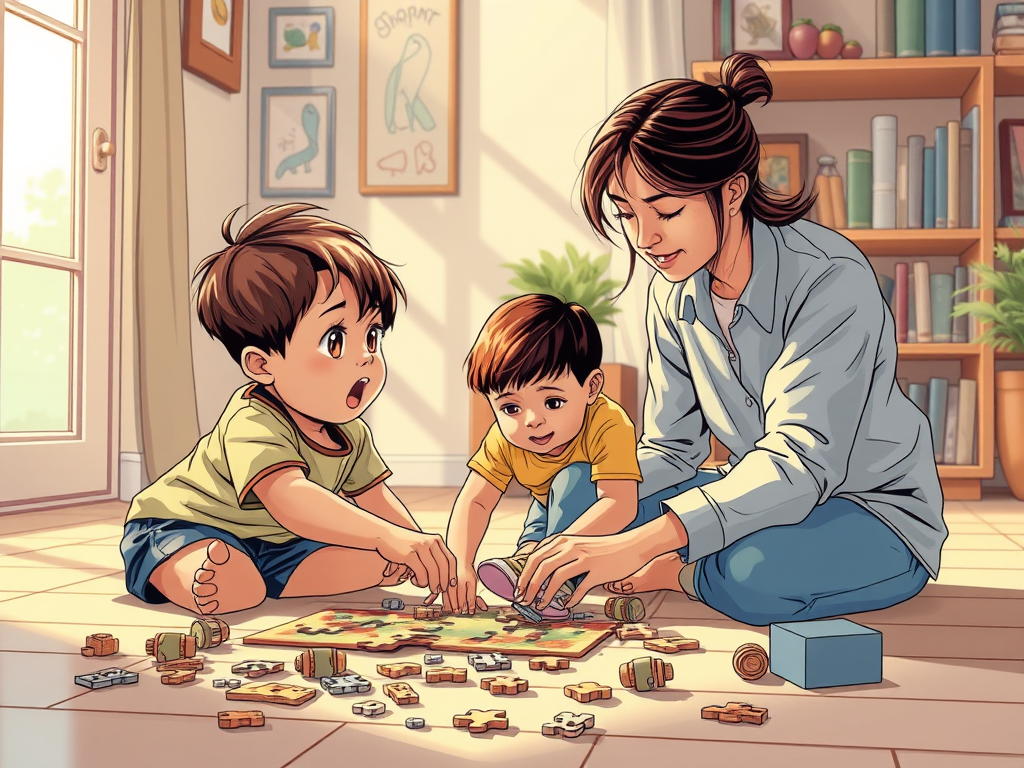
- Attempting a difficult puzzle
- Losing a game
- Forgetting homework and facing consequences
- Saving money for something instead of getting it instantly
Failure is feedback.
And feedback builds strength.
Teach Emotional Regulation
Resilience isn’t just toughness — it’s emotional management.
Help children:
- Name their feelings
- Pause before reacting
- Problem-solve calmly
- Reflect after mistakes
When kids understand their emotions, they’re less overwhelmed by them.
Model What You Want to See
Children mirror adult behavior.
If they see you:
- Stay calm under pressure
- Talk through challenges
- Admit mistakes
- Keep going after setbacks
They learn that struggle is normal — not catastrophic.
Build Controlled Challenges
You don’t need to create hardship. Just avoid eliminating it.
Ideas:
- Assign responsibilities at home
- Encourage independent decision-making
- Let natural consequences teach lessons
- Involve them in goal-setting
Confidence grows when children see themselves handle real situations.
Final Thought
The goal isn’t to raise fearless kids.
It’s to raise capable kids.
Kids who believe:
“I can handle hard things.”
In a comfortable world, resilience becomes a competitive advantage.
And it’s built quietly — in everyday moments where parents choose guidance over rescue, patience over panic, and long-term growth over short-term ease.