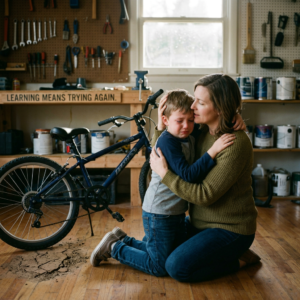


We talk a lot about physical health.
We track our steps, watch what we eat, and schedule annual checkups.
But one of the most important parts of our overall well-being often gets pushed to the side:
Our mental health.
Mental health affects how we think, feel, and respond to life’s challenges. It influences our relationships, our work, our parenting, and even our physical health.
And just like our bodies, our minds need care and attention.
What Is Mental Health?
Mental health includes our emotional, psychological, and social well-being.
It affects:
- How we handle stress
- How we relate to others
- How we make decisions
- How we recover from setbacks
Everyone has mental health, just as everyone has physical health.
And everyone experiences difficult seasons.
Signs Your Mental Health May Need Attention
Mental health struggles don’t always look dramatic.
Sometimes they show up as:
- Feeling overwhelmed
- Trouble sleeping
- Irritability
- Loss of motivation
- Persistent worry
- Difficulty concentrating
- Withdrawing from others
- Changes in appetite
Recognizing these signs early can help prevent larger problems later.
Why Mental Health Is More Important Than Ever
Modern life can be mentally exhausting.
We are constantly connected, bombarded with information, and balancing responsibilities at home and work.
Add financial stress, parenting demands, health concerns, and social pressures, and it’s easy to feel overloaded.
According to the National Institute of Mental Health, mental health conditions are common, and seeking support is a sign of strength—not weakness.
Practical Ways to Support Your Mental Health
1. Prioritize Sleep
Quality sleep is foundational to emotional well-being.
2. Move Your Body
Exercise helps reduce stress and improve mood.
3. Limit News and Social Media
Constant exposure to negative information can increase anxiety.
4. Talk to Someone
A trusted friend, family member, or therapist can provide support.
5. Practice Gratitude
Focusing on what is going well can improve perspective.
6. Spend Time Outdoors
Nature has a calming effect on the mind.
7. Seek Professional Help When Needed
Therapy can provide valuable tools and guidance.
Mental Health and Parenting
Children learn emotional habits by watching adults.
When parents model healthy coping strategies, children gain:
- Emotional awareness
- Resilience
- Problem-solving skills
- Healthy communication habits
Taking care of your mental health is one of the best gifts you can give your children.
When to Reach Out for Help
Consider seeking professional support if symptoms:
- Last more than two weeks
- Interfere with daily life
- Affect work or relationships
- Include thoughts of self-harm
Organizations such as the Substance Abuse and Mental Health Services Administration provide resources and support. In the United States, calling or texting 988 connects you to the 988 Suicide & Crisis Lifeline.
Final Thoughts
Mental health is not a luxury.
It is essential.
Taking care of your mind is just as important as taking care of your body.
Small steps—sleeping better, talking openly, asking for help, and making time to recharge—can have a profound impact.
You don’t need to have all the answers.
You just need to take the next step toward feeling better.
If this article resonated with you, share it with someone who may need a reminder that caring for your mental health is one of the most important investments you can make.