
Building Healthy Habits Early: A Simple Guide for Raising Healthier Kids
When we think about children’s health, we often think about doctor visits, vitamins, or avoiding illness. But real health starts much earlier—and it’s built through everyday habits at home.
The routines children learn in their early years shape how they eat, sleep, move, and care for themselves for the rest of their lives. The good news? You don’t need perfection. You just need consistency.
Here’s how to build strong, healthy foundations for your child in simple, realistic ways.
1) Focus on routines, not rules
Kids thrive on predictability. Healthy habits stick when they become part of daily life instead of something forced.
Start with:
- consistent mealtimes
- regular bedtimes
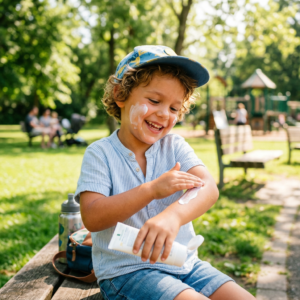
- daily outdoor time
- simple hygiene routines
Children feel safer—and behave better—when they know what to expect.
2) Nutrition doesn’t have to be complicated
You don’t need organic everything or Pinterest-worthy meals.
Healthy basics:
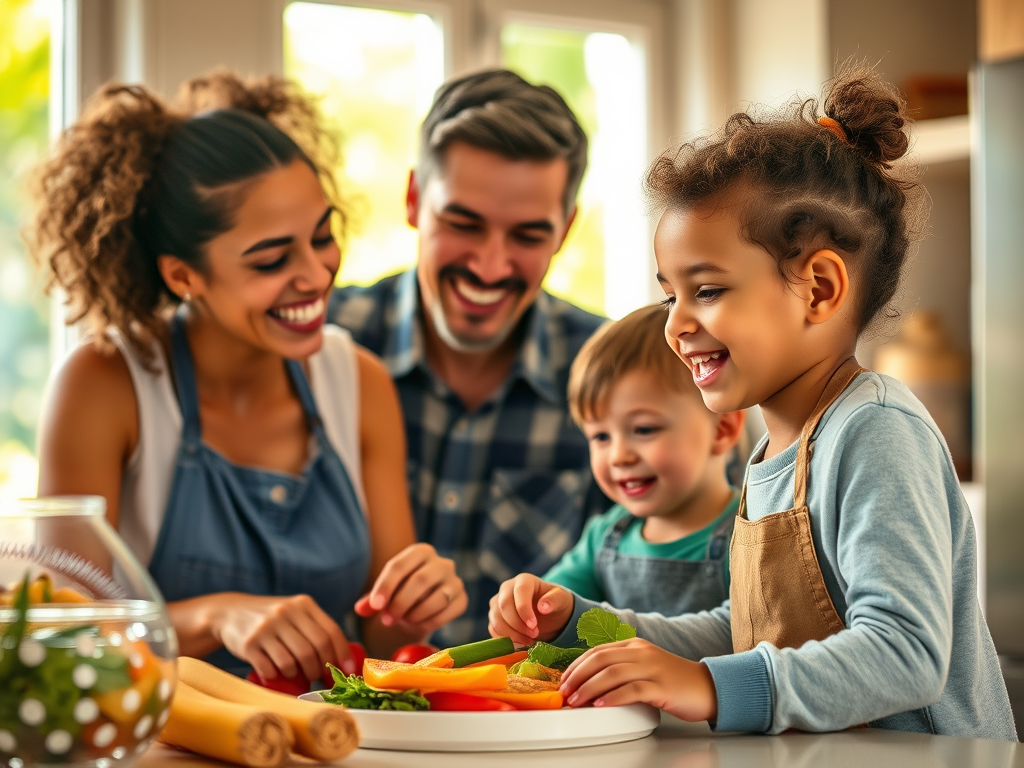
- fruits and vegetables daily
- protein with meals
- water over sugary drinks
- balanced snacks
The goal isn’t perfect eating.
It’s helping kids learn what “normal healthy” looks like.
3) Movement matters more than organized sports
Young children don’t need structured workouts—they need to move.
Healthy movement includes:
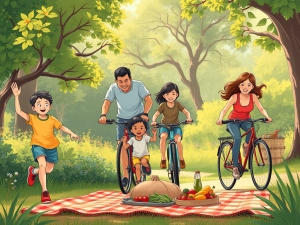
- running outside
- climbing
- dancing
- playground time
- bike rides
Daily movement supports:
- brain development
- emotional regulation
- better sleep
- confidence
4) Sleep is the hidden health superpower
Many childhood behavior issues trace back to poor sleep.
Strong sleep habits:
- consistent bedtime routine
- limited screens before bed
- calm environment
- age-appropriate sleep hours
Well-rested children:
- focus better
- manage emotions better
- learn faster
5) Emotional health is physical health
Stress affects children too.
Support emotional wellness by:
- listening without rushing
- validating feelings
- keeping connection strong
- building safe routines
Confident, emotionally secure children are healthier overall.
6) Model what you want to see
Kids don’t do what we say.
They do what we live.
When they see parents:
- choosing healthy foods
- staying active
- managing stress
- prioritizing sleep
…those behaviors become normal.
7) Keep health positive—not pressure-filled
Avoid turning health into:
- fear
- punishment
- perfection
Instead:
- celebrate effort
- make healthy choices fun
- allow flexibility
A healthy mindset lasts longer than strict control.
8) Start small and build
You don’t have to change everything at once.
Start with one habit:
- earlier bedtime
- family walks
- adding vegetables
- limiting sugar drinks
Small changes compound into lifelong health.
Final Thoughts
Raising healthy kids isn’t about doing everything right. It’s about building an environment where healthy choices feel natural, supported, and normal.
The early years shape lifelong patterns—how children care for their bodies, handle stress, and approach well-being.
Focus on:
- connection
- consistency
- simple routines
Those three things create healthier children than any trend, program, or quick fix ever could.
Healthy kids aren’t raised in perfect homes.
They’re raised in steady, supportive ones.