
Why Confidence Starts Earlier Than Most Parents Think
Many parents believe confidence develops later — during school years, sports, or teenage milestones. But research and real-world experience point to something different.
Confidence starts early. Much earlier than most people realize.
It begins in toddlerhood. In preschool. In the small, everyday moments where children learn one critical lesson: “I can try.”
Confidence isn’t built through praise alone. It’s built through experience.
When a child:
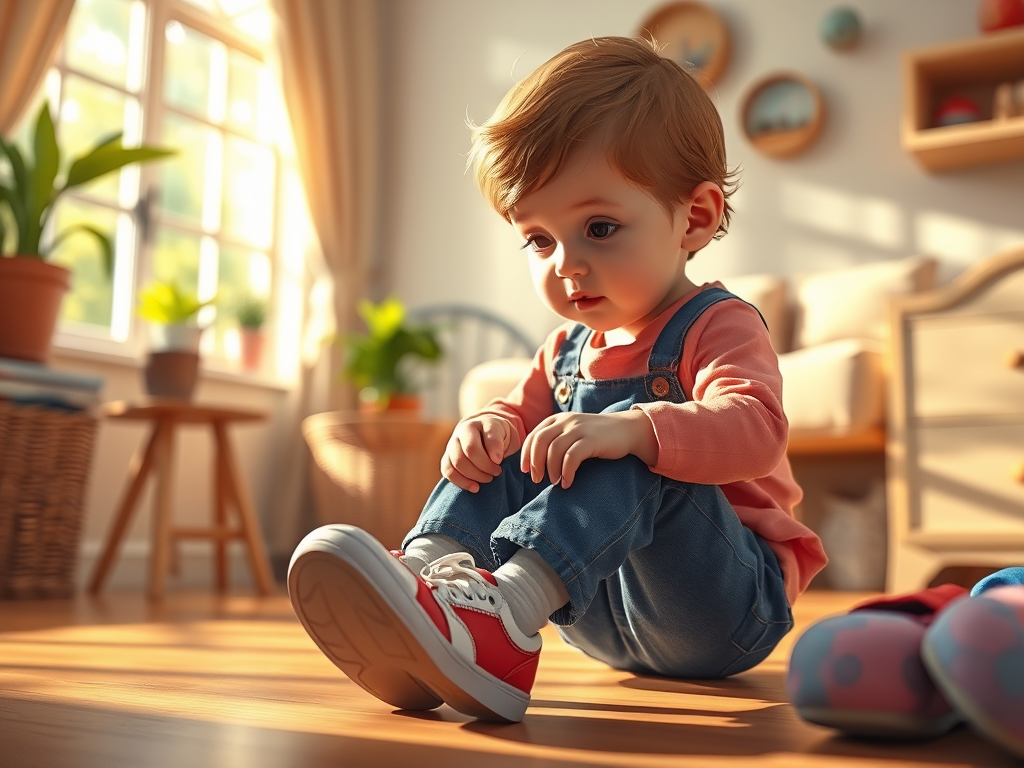
- Puts on their own shoes
- Helps clean up toys
- Tries to climb, build, or solve a problem
- Speaks and feels heard
They’re developing self-trust.
And self-trust becomes confidence.
One of the biggest misconceptions in parenting is that protecting children from struggle builds security. In reality, gentle exposure to challenge builds resilience. When kids are allowed to try, fail, and try again — with support — they internalize the belief that they are capable.
That belief becomes the foundation for:
- Academic risk-taking
- Social courage
- Leadership
- Emotional regulation
Early environments matter here. Homes and preschools that encourage independence — age-appropriate responsibility, open communication, problem-solving — tend to produce children who step forward rather than shrink back.
Language plays a powerful role too.
Instead of:
“You’re so smart.”
Try:
“You worked really hard on that.”
“You didn’t give up.”
“I saw how you figured that out.”
This shifts identity from fixed ability to growth.
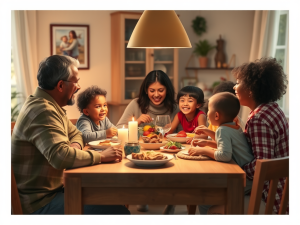
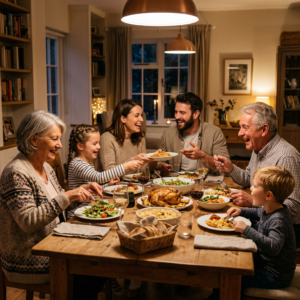
Confidence also grows through belonging. When children feel accepted at home and in school — when they know they’re safe to be themselves — they’re more willing to take risks and explore.
Another overlooked piece? Modeling.
Children mirror what they see. When parents try new things, admit mistakes, handle frustration calmly, and keep going after setbacks, kids absorb that pattern.
They learn:
Trying is normal.
Failing is survivable.
Growth is expected.
In 2026, many educators and parents are prioritizing these foundations over early academic pressure. Reading and math matter — but belief in oneself drives whether a child engages with those challenges at all.
The goal isn’t to raise fearless kids.
It’s to raise kids who believe they can handle fear.
And that belief doesn’t start in middle school.
It starts when a child is handed a task, given encouragement, and trusted enough to try.